
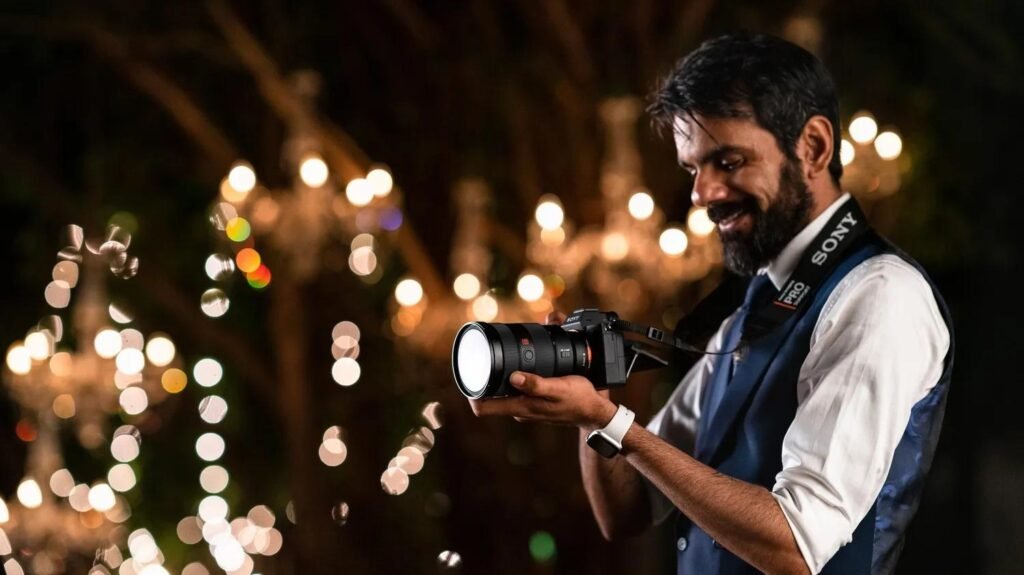
Mirrorless Camera Demand in India: What Wedding Photographers Should Know in 2026
Photography News | October 19, 2026
India’s photography industry is witnessing renewed interest in dedicated digital cameras, with mirrorless technology emerging as an important part of the market’s changing direction.
For years, smartphone cameras have dominated everyday photography. Yet professional photographers, filmmakers, content creators, and serious enthusiasts continue to need capabilities that smartphones cannot always deliver consistently.
A report published by Financial Express on October 18, 2026, highlights a recovery in demand for digital cameras, supported by the creator economy, the growing popularity of mirrorless systems, and increasing interest in professional imaging equipment.
The development raises an important question for India’s photography community: What does rising mirrorless camera demand mean for professional photographers, particularly those working in wedding photography?
The answer goes beyond camera sales. It involves autofocus technology, video production, lens investments, client expectations, and the long-term economics of running a photography business.
India’s Digital Camera Market Is Finding New Momentum
The digital camera industry has undergone substantial changes over the past decade.
As smartphones became capable of producing increasingly sophisticated photographs, many consumers stopped purchasing entry-level compact cameras. For casual photography, carrying a separate device became less necessary.
However, professional and enthusiast photography remained a different market.
A dedicated camera offers creative and operational advantages, including interchangeable lenses, larger sensors in many models, extensive manual controls, specialized autofocus capabilities, and integration with professional lighting and audio equipment.
According to the October 18 Financial Express report, India’s renewed camera demand is being influenced by several developments:
Growing interest in professional photography and videography.
More creators producing content for digital platforms.
Increasing adoption of mirrorless camera systems.
Greater demand for equipment that supports both photography and video.
Investment in lenses, microphones, lighting, and other production accessories.
The report also describes demand extending beyond major metropolitan markets.
This matters because India’s professional photography industry is not limited to Mumbai, Delhi, or Bengaluru. Wedding photographers, event filmmakers, portrait studios, and independent creators operate throughout the country, including cities such as Vadodara, Surat, Jaipur, Indore, and Rajkot.
For these professionals, camera technology is increasingly connected to the services they can offer.
What Are the Latest Camera Market Figures?
Industry reporting provides useful context for understanding the shift.
The Financial Express report cites Sony India’s category growth of more than 50% since FY22. This is a company-reported figure and should not be interpreted as the growth rate of India’s entire digital camera market.
The report also identifies the approximately ₹80,000–₹1.6 lakh camera segment as an important area of demand.
At the global level, the Camera & Imaging Products Association’s 2025 shipment figures, as summarized by photography publication Fotobee, indicate that total digital camera shipments increased from approximately 8.49 million units in 2024 to 9.44 million units in 2025.
These figures describe different measurements. Sony’s reported growth concerns its business category in India, while CIPA’s shipment statistics describe worldwide industry activity. Neither figure independently establishes how many wedding photographers in India purchased mirrorless cameras.
Nevertheless, together they provide evidence that dedicated photography equipment remains commercially relevant.
Camera Market Developments at a Glance
| Development | What It Indicates |
|---|---|
| Sony India reports category growth exceeding 50% since FY22 | Stronger performance within Sony’s imaging business |
| Mirrorless systems attract increasing attention | Changing preferences among camera buyers |
| Creators invest in photo-video equipment | Demand for versatile production workflows |
| Global camera shipments increased in 2025 | Broader recovery in shipment volume |
| Interest extends beyond metro cities | Potential opportunities for regional photography businesses |
These developments suggest a changing equipment market, but they do not guarantee increased income for individual photographers.
Why Are Mirrorless Cameras Becoming More Popular?
Mirrorless cameras are not entirely new. Professional photographers have been using them for years.
What has changed is the maturity of the technology.
Modern mirrorless systems can offer advanced subject recognition, eye-detection autofocus, high-resolution electronic viewfinders, in-body image stabilization, and sophisticated video recording capabilities.
These features can be valuable in demanding photographic environments.
1. More Sophisticated Autofocus
Wedding photographers regularly work with moving subjects.
A bride walking toward the ceremony, a groom dancing during the baraat, or a child running through a reception venue can create difficult focusing conditions.
Many current mirrorless cameras provide subject-detection and tracking systems that help photographers maintain focus on moving people.
This does not eliminate the need for technique. Photographers must still understand focus modes, subject selection, shutter speed, and how to respond when autofocus becomes unreliable.
However, a capable tracking system can make certain situations easier to manage.
2. Photography and Videography in One System
Indian wedding clients frequently request a combination of deliverables, such as:
Traditional wedding photographs.
Candid photography.
Cinematic wedding films.
Highlight videos.
Vertical social media reels.
Pre-wedding films.
Short engagement videos.
A camera that handles both still photography and video effectively can provide operational flexibility.
This does not mean that one camera or one operator can replace an entire professional wedding team.
Photography and cinematography often require different framing, lighting, audio, stabilization, and staffing arrangements.
Nevertheless, hybrid camera systems can make equipment planning more flexible for small production teams.
3. Electronic Viewfinders and Exposure Preview
A mirrorless camera’s electronic viewfinder can display an approximation of the final exposure before the photograph is taken.
This can help photographers recognize exposure problems when moving between different lighting environments.
For example, an outdoor haldi ceremony may feature intense sunlight, while an indoor wedding ritual may take place under warm decorative lighting.
Previewing exposure and white balance can help photographers respond more efficiently.
The preview is not infallible, especially when using flash or specialized lighting configurations, but it is a useful feature.
4. A Growing Lens and Accessory Ecosystem
Professional camera ownership is about much more than the camera body.
Photographers may need wide-angle lenses, fast portrait lenses, telephoto zooms, flashes, memory cards, batteries, audio equipment, and compatible accessories.
As mirrorless systems mature, buyers have more opportunities to build complete camera setups.
However, the cost of changing lens mounts can be significant. Existing DSLR lenses may require adapters, and compatibility or autofocus performance should be checked before purchasing.
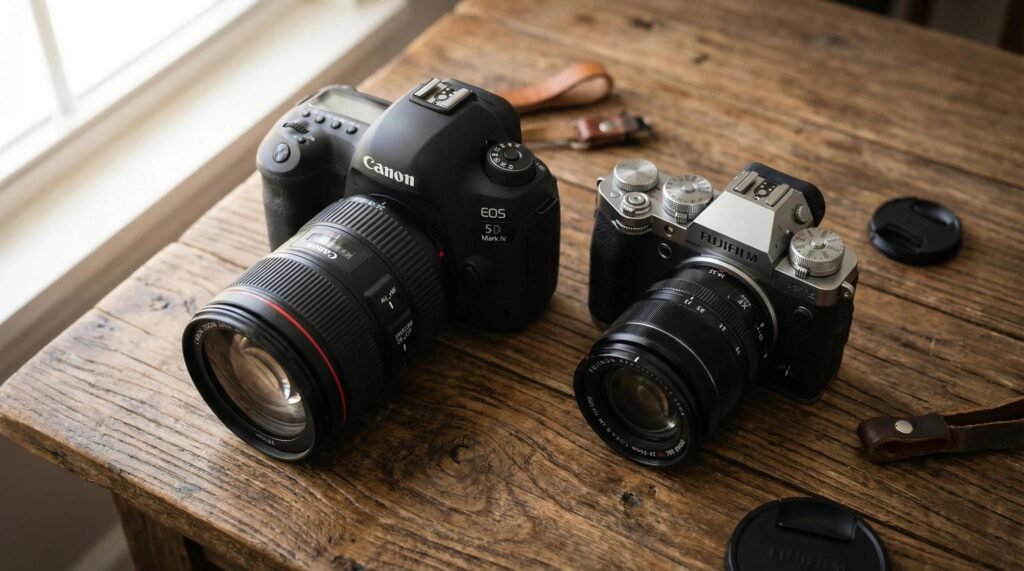
DSLR vs Mirrorless Cameras in 2026: Which Is Better for Wedding Photography?
The rising demand for mirrorless systems does not mean DSLR cameras have suddenly become unsuitable for professional work.
Many established photographers continue to produce excellent results with DSLR equipment.
The practical difference depends on the specific camera models, their condition, and the photographer’s requirements.
| Feature | DSLR Cameras | Mirrorless Cameras |
|---|---|---|
| Viewfinder | Usually optical | Usually electronic |
| Autofocus | Varies by model; many remain capable | Modern systems often offer advanced subject tracking |
| Video features | Strong on selected models | Often a major priority in current designs |
| Battery endurance | Optical viewfinder shooting can be efficient | Electronic displays may increase power use |
| Size and weight | Varies; many bodies are comparatively large | Some bodies are smaller, but lenses affect total weight |
| Lens ecosystem | Extensive established DSLR lens options | Growing native mirrorless lens options |
| Upgrade investment | Existing owners may already have complete systems | Switching may require bodies, lenses, and accessories |
| Professional image quality | Excellent with suitable equipment | Excellent with suitable equipment |
Is Mirrorless Always Better Than DSLR?
No.
A professional DSLR with an excellent lens can outperform an entry-level mirrorless setup in particular situations.
Image quality depends on sensor characteristics, lens quality, lighting, exposure, processing, and photographer skill.
A photographer using a familiar DSLR system may also work more efficiently than someone who has recently switched to an unfamiliar mirrorless camera.
For a photographer starting from scratch, modern mirrorless systems may offer a more attractive long-term ecosystem.
For an established photographer, however, replacing a reliable DSLR setup is a financial decision that requires careful consideration.
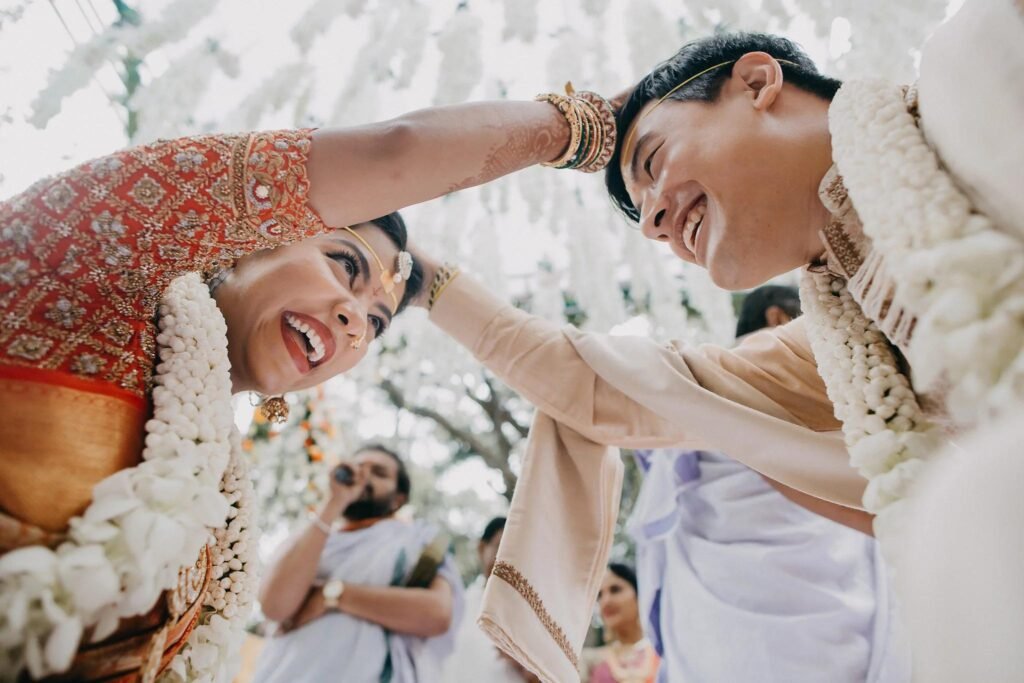
Why This News Matters for Indian Wedding Photographers
Wedding photography is among the most demanding applications of professional camera equipment.
Unlike a controlled studio session, a wedding involves unpredictable movement, changing lighting conditions, emotional interactions, and moments that cannot be repeated.
A camera must perform consistently throughout the assignment.
Haldi and Mehendi Photography
Haldi ceremonies often take place under bright natural light.
Photographers must manage strong highlights, changing subject positions, colorful clothing, and spontaneous interactions.
A mirrorless camera with responsive autofocus and exposure preview may make the process more convenient.
However, controlling harsh sunlight and choosing an appropriate shooting position remain essential skills.
Sangeet and Reception Photography
Indoor events introduce additional challenges.
Decorative LED lighting, rapidly changing colors, dim backgrounds, and moving performers can make exposure and focusing difficult.
Low-light autofocus capability and appropriate lenses are especially valuable.
But no camera can completely compensate for poor lighting decisions.
Photographers still need to balance shutter speed, aperture, ISO, flash, and available light.
Candid Wedding Photography
Candid photography depends on recognizing meaningful moments before they disappear.
Modern autofocus systems can help a photographer capture spontaneous expressions without spending as much attention on manually selecting focus points.
Yet technology cannot predict emotional significance in the same way an attentive photographer can.
A camera might accurately focus on a smiling guest, but the photographer must decide whether that expression contributes to the story.
This distinction is important: autofocus helps capture a moment; observation helps discover it.
Cinematic Wedding Videography
Modern wedding films frequently combine slow-motion footage, moving camera shots, carefully controlled depth of field, and professionally recorded audio.
Some mirrorless cameras support advanced video formats and high-resolution recording.
These features may improve production flexibility, but they can also increase requirements for storage, editing hardware, cooling management, and backup procedures.
Before upgrading, filmmakers should evaluate the entire production workflow rather than focusing only on video resolution.
Does Better Camera Technology Mean Better Wedding Photographs?
Not necessarily.
Professional photography depends on technical skill, visual judgment, preparation, and the ability to interact with people.
A sophisticated camera may improve autofocus reliability or make certain shooting conditions easier.
It cannot automatically create an emotional connection between a photographer and the people being photographed.
Consider two photographers covering the same wedding.
One owns the latest mirrorless equipment but pays little attention to the ceremony’s emotional moments.
The other uses an older camera but understands the family relationships, anticipates meaningful interactions, and chooses flattering lighting.
The second photographer may produce a more memorable collection of photographs.
The strongest professional results usually come from combining technical capability with observation, composition, storytelling, and consistent workflow management.
Should Wedding Photographers Upgrade to Mirrorless in 2026?
For photographers considering an upgrade, the most useful question is not whether mirrorless technology is popular.
It is whether the upgrade solves a real problem.
Consider Upgrading If:
Your current autofocus frequently limits your work. If you regularly miss important moving subjects despite using appropriate settings and technique, a newer camera may offer a meaningful improvement.
You are expanding into professional videography. A camera with stronger video features may support additional client deliverables.
Your existing equipment is becoming unreliable. Professional assignments require dependable cameras, accessible servicing, and appropriate backup equipment.
Your lens system no longer meets your requirements. A carefully planned system change may offer benefits beyond purchasing another camera body.
You can justify the investment financially. Equipment should support your services without creating unnecessary pressure on business cash flow.
Consider Keeping Your DSLR If:
Your current camera produces the image quality clients expect, autofocus performs reliably, you own suitable lenses, and you have no major operational limitations.
In this situation, spending money on better lighting, backup storage, professional training, or business development may deliver greater practical value.
A camera upgrade should be based on measurable needs, not simply industry trends.
The Hidden Cost of Switching Camera Systems
The advertised price of a camera body is rarely the full cost of changing equipment.
Photographers should calculate the total investment.
| Expense | Why It Matters |
|---|---|
| Camera body | Primary purchase |
| Compatible lenses | Existing lenses may not fit natively |
| Lens adapter | May be required for older lenses |
| Extra batteries | Essential for long wedding assignments |
| Memory cards | Must support camera speed and recording formats |
| Backup camera | Important for professional reliability |
| Storage | High-resolution photos and video consume space |
| Editing hardware | Larger files can increase processing demands |
| Maintenance and servicing | Long-term operational expense |
A wedding photographer who already owns several professional DSLR lenses may face a substantial investment when moving to another system.
Before buying, compare the full cost of ownership with the likely improvement in work quality, reliability, and business capability.
What Should Couples Know About Mirrorless Wedding Photography?
The camera market’s evolution also affects how couples evaluate wedding photography services.
Some photographers advertise the use of mirrorless cameras, high-resolution sensors, or cinematic video equipment.
These specifications can be useful, but they should not be the deciding factor when selecting a wedding photographer.
Look at Complete Wedding Galleries
A collection of a few attractive Instagram photographs does not necessarily demonstrate consistent wedding coverage.
Ask to see a complete wedding gallery, including daytime ceremonies, indoor rituals, family portraits, candid moments, and reception photographs.
This reveals more about a photographer’s consistency than the camera model alone.
Evaluate Lighting and Color Quality
Look for natural skin tones, balanced exposure, consistent editing, and good image quality across different venues.
A photographer should be capable of handling difficult lighting rather than relying entirely on expensive equipment.
Ask About Backup Arrangements
Professional photographers should have a practical contingency plan for equipment failure.
Ask whether the team has backup cameras, batteries, storage cards, and a process for protecting captured photographs.
Understand the Deliverables
Before booking, clarify the number of photographers, cinematographers, coverage hours, edited photographs, films, album specifications, and delivery schedule.
A mirrorless camera does not automatically mean a package includes cinematic videography or premium editing.
The quality of the team and the clarity of the service agreement matter more than a camera’s marketing specifications.
Will Mirrorless Cameras Change Wedding Photography Prices in India?
The relationship between camera technology and wedding photography pricing is complicated.
New equipment can increase operating costs, especially when photographers invest in professional lenses, backup bodies, and editing infrastructure.
However, photography package prices are influenced by many other factors:
Experience and reputation.
Number of photographers and filmmakers.
Duration and location of coverage.
Editing requirements.
Album production.
Travel and accommodation.
Equipment and staffing costs.
Local market conditions.
It would be misleading to claim that rising mirrorless camera demand will automatically increase wedding photography prices across India.
A photographer may upgrade equipment without changing package prices.
Another studio may introduce a premium cinematography service that justifies a different pricing structure.
For couples, the best approach is to compare clearly defined packages and actual work quality.
For photographers, equipment investment should be supported by a realistic business plan.
What This Means for Photography Businesses in Smaller Indian Cities
The renewed interest in professional cameras may also be relevant to photography businesses outside major metropolitan areas.
Wedding photographers in cities such as Vadodara and Surat increasingly operate in a digital environment where clients discover services through websites, search engines, social media, and online portfolios.
This creates opportunities for businesses that combine strong photographic work with professional presentation.
However, purchasing the newest camera is not a substitute for building a reliable business.
A sustainable photography studio also needs:
A clear portfolio: Visitors should quickly understand the quality and style of the photographer’s work.
Transparent services: Clients should know which photography and cinematography services are available.
Professional communication: Prompt replies and clear booking information improve the customer experience.
Reliable delivery: Backup procedures, editing workflows, and agreed timelines protect client trust.
Local visibility: A well-maintained website and accurate business information help potential customers discover relevant services.
For regional studios, investing in these fundamentals may be just as important as purchasing new camera equipment.
Five Questions Every Photographer Should Ask Before Buying a Mirrorless Camera
Before investing in a new system, consider the following questions.
1. What Specific Problem Will the New Camera Solve?
Identify whether your limitation concerns autofocus, low-light performance, video recording, reliability, or another measurable issue.
2. Can I Continue Using My Existing Lenses?
Check mount compatibility, available adapters, autofocus support, and the cost of replacing important lenses.
3. Will My Current Computer Handle the Files?
Higher-resolution images and advanced video codecs may require additional storage and editing resources.
4. Do I Have a Backup Plan?
Professional wedding coverage should not depend entirely on a single camera body or memory card.
5. Will the Investment Improve My Business?
Consider whether the new equipment supports better services, reduces operational risk, or enables work you cannot currently undertake.
If the answers are unclear, delaying the purchase may be the more sensible decision.
The Future of Mirrorless Photography in India
The renewed demand for digital cameras suggests that dedicated photography equipment continues to have an important role despite improvements in smartphone technology.
Mirrorless systems are likely to remain a major focus of camera development because they support sophisticated autofocus, hybrid photo-video production, and modern imaging workflows.
However, future demand will depend on factors such as equipment pricing, consumer spending, professional investment, and the continuing evolution of smartphone cameras.
For Indian wedding photographers, the most meaningful change may be the increasing availability of tools that make complex assignments easier to manage.
Technology can improve workflow efficiency, but the fundamental purpose of photography remains unchanged.
People want photographs that preserve relationships, experiences, expressions, and moments that matter.
Frequently Asked Questions
Why is mirrorless camera demand increasing in India in 2026?
Recent industry reporting connects renewed digital camera interest with the creator economy, professional photography, videography, and increasing adoption of mirrorless systems. Demand is influenced by buyers who need capabilities beyond everyday smartphone photography.
Are mirrorless cameras better than DSLR cameras for wedding photography?
Modern mirrorless cameras often offer advanced autofocus and video capabilities. However, professional DSLR cameras remain capable of producing excellent wedding photographs. The better choice depends on the camera model, available lenses, budget, and photographer’s requirements.
Should professional wedding photographers switch to mirrorless cameras?
Not automatically. Photographers should upgrade when their existing equipment creates meaningful limitations or when new capabilities support a specific business need.
Can a DSLR still be used for professional wedding photography in 2026?
Yes. A reliable DSLR paired with suitable lenses, professional lighting, and experienced technique can still produce high-quality wedding photography.
Why are mirrorless cameras popular for wedding videography?
Many mirrorless cameras combine advanced video recording, subject tracking, interchangeable lenses, and compact production options. Their suitability depends on the model and the requirements of the filming workflow.
Are mirrorless cameras more expensive than DSLRs?
Prices vary widely. Some mirrorless cameras are relatively affordable, while professional models and lenses can require significant investment. Photographers should compare the total cost of a complete system rather than body prices alone.
Does a mirrorless camera guarantee better wedding photos?
No. Lighting, composition, timing, storytelling, editing, and photographer experience remain essential.
What should couples ask photographers about their camera equipment?
Couples should ask about backup equipment, low-light coverage, complete wedding galleries, team experience, and the deliverables included in their photography package.
Will DSLR cameras disappear completely?
Mirrorless systems are a major focus of current camera development, but existing DSLR cameras and lenses remain useful. There is no reason to assume every working DSLR must immediately be replaced.
Final Thoughts
The rise in mirrorless camera demand in India is an important development for photographers, filmmakers, and the wider imaging industry.
Recent reporting indicates renewed interest in dedicated cameras, supported by professional content creation and changing equipment preferences.
For wedding photographers, this development presents both opportunities and financial decisions.
Advanced autofocus, flexible video features, and expanding lens systems can improve certain aspects of professional work. Yet upgrading equipment should never become more important than understanding light, recognizing emotion, maintaining reliable workflows, and delivering photographs that clients value.
The future of wedding photography will not be defined by mirrorless technology alone. It will be shaped by photographers who know how to use technology in service of meaningful images.
Sources and Further Reading
Financial Express — “Back in focus,” October 18, 2026. https://www.financialexpress.com/business/news/back-in-focus/4363794/
Fotobee — “Camera Shipments in CIPA’s Own Numbers: Mirrorless, DSLR and the Compact Revival,” October 16, 2026. https://fotobee.in/blog/camera-shipment-statistics
Nikon India — “DSLR vs Mirrorless: Which One Is Right for You in 2026?” https://www.nikon.co.in/articles/dslr-vs-mirrorless-2026
Nikon India — “Indian Wedding Photography Gear: Best Cameras & Lenses.” https://www.nikon.co.in/articles/indian-wedding-photography-gear
Editorial note: This article combines reported industry developments with general photography analysis. Camera performance varies by model, and purchase decisions should be based on individual requirements. No camera equipment was independently evaluated for this article.